
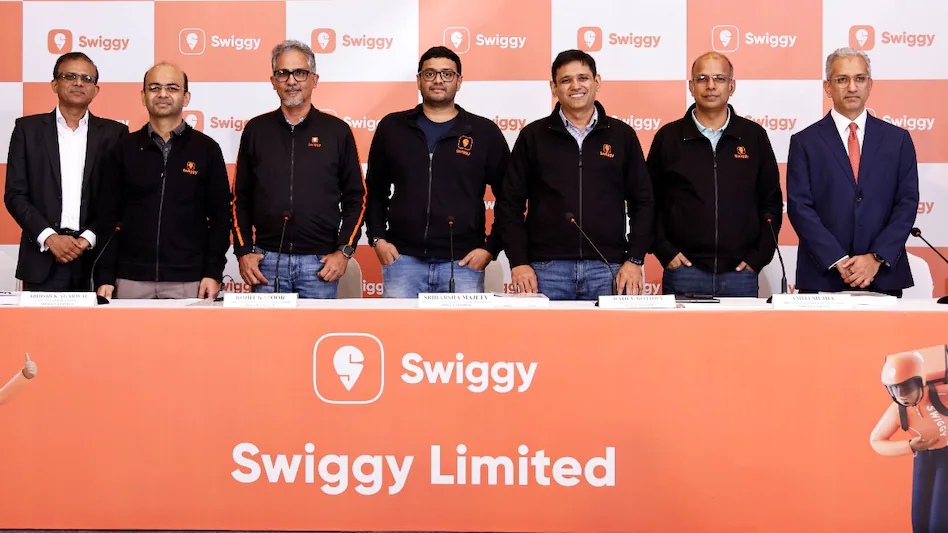
Swiggy Gets a Fresh ₹300 Crore Vote of Confidence From SBI MF

By the FinanceChecks.com Editorial Team | Published October 1, 2026 | Last reviewed October 1, 2026 | 6-minute read
India’s largest mutual fund house just made a sizeable bet on Swiggy, and the timing is worth paying attention to. SBI Mutual Fund, through its various schemes, picked up roughly 1.18 crore additional shares of the food delivery and quick commerce company on September 29, a purchase worth around ₹300 crore. The buy wasn’t just large, it was significant enough to push SBI Mutual Fund’s total stake in Swiggy past the 5% mark, triggering a mandatory disclosure to the stock exchanges.
Here’s the full picture: what exactly happened, why crossing 5% matters, and what it says about how institutional money is reading Swiggy’s story right now.
What SBI Mutual Fund Actually Bought
According to the regulatory filing, SBI Mutual Fund acquired 1,18,38,465 shares of Swiggy through open market transactions, working out to roughly 0.43% of the company’s total equity. Before this purchase, the fund house held about 12.97 crore shares, a 4.70% stake. After it, that holding rose to 14.15 crore shares, or 5.12% of Swiggy, based on the closing price of ₹253.70 on the day of the trade, which puts the transaction value at just over ₹300 crore.
Crossing the 5% threshold isn’t just a round number, it’s a regulatory trigger. Under Regulation 29(1) of SEBI’s Substantial Acquisition of Shares and Takeovers Regulations, any investor whose stake crosses 5% has to formally disclose it, which is exactly why this purchase became public knowledge so quickly. SBI Funds Management filed the disclosure with Swiggy, the NSE and the BSE on September 30.
Why This Particular Stake Increase Stands Out
A ₹300 crore purchase from a large mutual fund house isn’t, on its own, an unusual event, institutional investors reshuffle positions constantly. What makes this one worth noting is the broader context it’s happening in.
Domestic mutual funds collectively held a cumulative 22.8% stake in Swiggy as of June 30, 2026, which is already a meaningful chunk of the company’s ownership sitting with Indian institutional investors rather than foreign funds. That matters because Swiggy shareholders approved a 49.5% cap on aggregate foreign ownership at the company’s AGM back in August, a step tied to the company’s transition toward becoming what’s officially termed an Indian-owned and controlled company, or IOCC. SBI Mutual Fund adding to its position fits into that same direction of travel, more of Swiggy’s ownership consolidating with domestic institutions.
There’s also a company-specific story underneath the stock purchase. The move is widely read as supporting Swiggy’s plan to shift its quick commerce arm, Instamart, toward an inventory-led model, a structural change in how that business actually operates rather than just a tweak to strategy.
Swiggy’s Own Numbers, for Context
It’s worth looking at what SBI Mutual Fund is actually buying into. Swiggy’s net loss in Q1 FY27 narrowed by close to 34% year-on-year to ₹791 crore, while operating revenue climbed 36.8% to ₹6,812 crore. That’s a company still losing money, but losing meaningfully less of it while growing revenue at a healthy clip, which is generally the shape institutional investors want to see from a business still working toward profitability.
The stock itself hasn’t exactly mirrored that optimism in the short term. Shares of Swiggy closed 4.88% lower at ₹238 on the BSE around the time of this purchase, with some of that pressure linked to Swiggy’s exit from the MSCI index and continued investor unease around the foreign ownership cap. In other words, SBI Mutual Fund was buying into some near-term weakness, not chasing a stock that was already running hot.
A Quick Look at SBI Mutual Fund’s Broader Activity
This wasn’t an isolated move either. Around the same period, SBI Mutual Fund also picked up a 1.45% stake in Innova Captab for close to ₹90 crore, part of a wider block of institutional trading disclosed around the end of September. Taken together, it points to a fund house actively deploying capital across several positions in this window, rather than this being a single, isolated conviction call on Swiggy alone.
| Detail | Figure |
|---|---|
| Shares purchased | 1,18,38,465 (~1.18 crore) |
| Approximate purchase value | ₹300-300.6 crore |
| Price per share (approx.) | ₹253-254 |
| Stake before purchase | 4.70% (12.97 crore shares) |
| Stake after purchase | 5.12% (14.15 crore shares) |
| Transaction date | September 29, 2026 |
| Disclosure filed | September 30, 2026 |
| Regulatory trigger | SEBI SAST Regulation 29(1), 5% threshold |
What This Means If You’re Tracking Swiggy as an Investor
A large mutual fund crossing a disclosure threshold is public information precisely because it’s meant to be useful to other investors, but it’s worth being careful about how much weight to put on it. SBI Mutual Fund increasing its stake tells you that one of India’s biggest asset managers sees enough value in Swiggy at current levels to add meaningfully to an already large position. It doesn’t tell you whether that bet will pay off, and it certainly isn’t a signal to follow blindly.
What’s genuinely useful here is the underlying data point: domestic institutional ownership in Swiggy is substantial and growing, the company’s losses are narrowing while revenue is growing at a solid pace, and this is happening even as the stock faces real headwinds from its MSCI exit and the foreign ownership restructuring. Whether that combination makes Swiggy attractive at today’s price is a judgment call that depends on your own research and risk appetite, not something a single disclosure filing can answer for you.
Frequently Asked Questions
1. How much did SBI Mutual Fund invest in Swiggy? Around ₹300 crore, through the purchase of roughly 1.18 crore shares on September 29, 2026.
2. What is SBI Mutual Fund’s total stake in Swiggy now? After the purchase, its holding rose to 14.15 crore shares, or about 5.12% of Swiggy’s total equity, up from 4.70% before the transaction.
3. Why did this purchase need to be disclosed publicly? Crossing a 5% stake in a listed company triggers a mandatory disclosure under Regulation 29(1) of SEBI’s Substantial Acquisition of Shares and Takeovers Regulations.
4. How much do domestic mutual funds collectively own in Swiggy? As of June 30, 2026, domestic mutual funds held a cumulative 22.8% stake in Swiggy.
5. How is Swiggy performing financially right now? In Q1 FY27, Swiggy’s net loss narrowed nearly 34% year-on-year to ₹791 crore, while operating revenue rose 36.8% to ₹6,812 crore.
6. Why has Swiggy’s stock been under pressure recently? The stock has faced selling pressure linked to its exit from the MSCI index and investor concerns around the 49.5% foreign ownership cap approved by shareholders in August.
7. Does this purchase mean Swiggy is a good investment? Not necessarily. It shows a major institutional investor increasing exposure at current price levels, but that’s one data point, not investment advice, and any decision should be based on your own research and risk tolerance.
Disclaimer
This article is for general informational purposes only and does not constitute investment advice or a recommendation to buy, sell or hold any security. Figures are based on regulatory filings and publicly available news reporting as of October 1, 2026. FinanceChecks.com is not a SEBI registered investment adviser and is not affiliated with SBI Mutual Fund or Swiggy.
Last reviewed and fact-checked on October 1, 2026 by the FinanceChecks.com Editorial Team.

Shuchi founded Finance Checks after spending 16+ years working in corporate, managing operations and distribution. She managed her own finances, learned and read regularly and helped people make sense of their savings, loans, insurance, and investments.
She started this site to offer the kind of clear, honest financial guidance she wished was more available when she was learning to manage her own money. Every article is researched personally, checked against official sources such as the Reserve Bank of India, SEBI, or the Income Tax Department, and revisited whenever regulations or figures change. She is upfront about how the site earns money through ads and select affiliate partnerships, and she does not let either influence what she actually recommends to readers.