

ITC Completes Yoga Bar Acquisition For ₹645 Crore: What the Deal Means

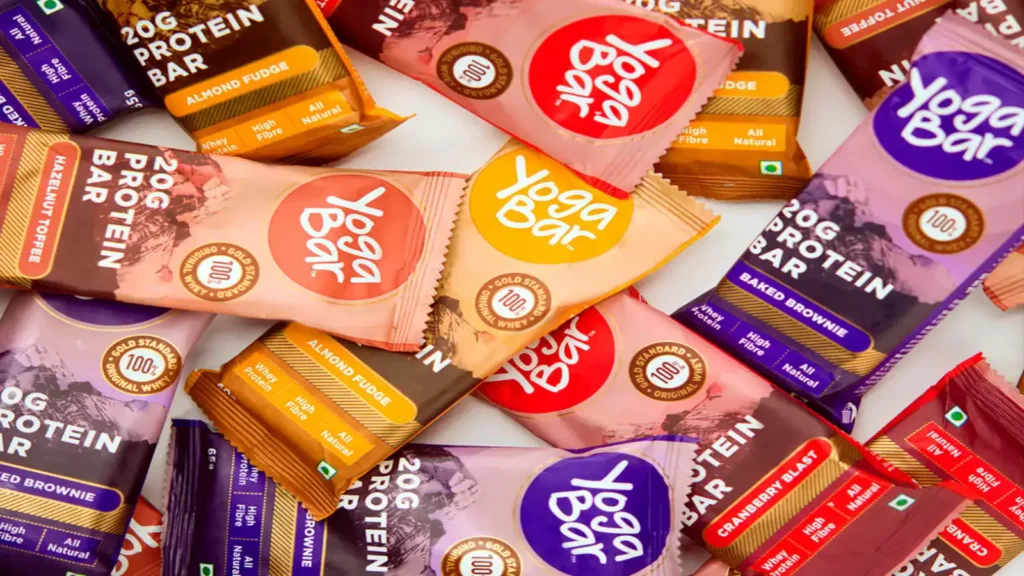
FMCG major ITC Limited has completed its acquisition of the remaining 52.5% stake in Sproutlife Foods Private Limited, the company behind the healthy snacking brand Yoga Bar, for approximately ₹645 crore. The transaction, confirmed on September 28, 2026, takes ITC’s ownership in Sproutlife from around 47.5% to a full 100%, making it a wholly owned subsidiary. The deal marks the final step of an acquisition process ITC first announced back in January 2023, when it said it would buy Yoga Bar in tranches over three to four years.
This guide breaks down the full details of the deal, why ITC pursued a phased acquisition rather than buying outright, how this fits into ITC’s broader foods strategy, and what it could mean for Yoga Bar as a brand going forward.
Quick Answer
ITC has acquired the remaining 52.5% stake in Sproutlife Foods, the parent company of Yoga Bar, for approximately ₹645 crore in an all-cash secondary transaction, taking its total ownership to 100% effective September 28, 2026. ITC had first invested in Sproutlife in 2023 and built its stake up over time, most recently holding around 47.5% as of April 2026. The acquisition required no government or regulatory approval and is part of ITC’s strategy to build a “future-ready” portfolio in the foods segment. Sproutlife reported a turnover of ₹452 crore for FY2025-26, up sharply from ₹108 crore in FY2023-24, reflecting strong growth in the years leading up to full acquisition.
About This Guide
This guide was compiled by the FinanceChecks.com editorial team using ITC’s official stock exchange disclosure and reporting from established business and trade publications to give an accurate account of the deal terms and its context within ITC’s broader acquisition strategy. Our coverage of corporate deals focuses on what the transaction actually involved and what it signals for the industry, rather than speculating on outcomes the companies themselves have not disclosed. We do not accept payment from any company named in this article to influence how it is covered.
The Deal in Detail
| Detail | Information |
|---|---|
| Acquirer | ITC Limited |
| Target company | Sproutlife Foods Private Limited (parent of Yoga Bar) |
| Stake acquired in this transaction | 52.5% (remaining stake) |
| ITC’s resulting ownership | 100% (wholly owned subsidiary) |
| Deal value | Approximately ₹645 crore |
| Transaction structure | Secondary purchase of 13,445 equity shares (₹10 face value each), all-cash |
| Effective date | September 28, 2026 |
| Regulatory approval required | None; disclosed as not requiring government or regulatory approval |
| Sproutlife FY2025-26 turnover | ₹452 crore (up from ₹108 crore in FY2023-24) |
| Yoga Bar founded | 2014, by Suhasini Sampath Kumar and Anindita Sampath Kumar |
| Sproutlife incorporated | February 13, 2015 |
How the Acquisition Unfolded Over Time
ITC did not acquire Yoga Bar in a single transaction. The company first announced its intention to acquire 100% of Sproutlife Foods in January 2023, structuring the deal in tranches over three to four years rather than as an immediate buyout. By April 2026, ITC’s stake had grown to around 47.5%, and the final transaction completed on September 28, 2026 closed the gap to full ownership.
This phased approach is a pattern ITC has used elsewhere in its foods portfolio. The company took a similar staged route with another digital-first food brand, beginning with a partial stake and building toward majority and full ownership over subsequent years. Structuring an acquisition this way allows the acquiring company to gain operational visibility and confidence in a target’s growth before committing to a full buyout, while giving the founding team a longer runway and, often, continued involvement during the transition.
ITC’s Broader Foods and D2C Acquisition Strategy
The Yoga Bar deal sits within a larger pattern of ITC expanding its foods portfolio well beyond its traditional packaged goods business, particularly by acquiring digital-first, direct-to-consumer (D2C) brands that have built strong online followings.
| Acquisition | Segment | Deal Value | Status |
|---|---|---|---|
| Sproutlife Foods (Yoga Bar) | Healthy snacking, nutrition bars, breakfast foods | ~₹645 Cr (final tranche); acquired in phases since 2023 | 100% owned as of September 2026 |
| Sresta Natural Bioproducts (24 Mantra Organic) | Organic food products | ₹472.5 crore | 100% acquired, completed June 2025 |
| Aditya Birla Real Estate’s pulp and paper business | Paper and paperboards | ₹3,498 crore | Completed March 2025 |
| Another D2C foods brand (staged investment) | Nutrition-focused foods | Initial stake ~₹131 crore, building toward majority ownership | In progress, phased through 2027 |
This pattern reflects a broader trend among large Indian FMCG companies, which have increasingly looked to acquire successful digital-first brands rather than build competing products from scratch, betting that an established brand with a loyal, often younger customer base can be scaled faster through the acquirer’s existing distribution network than a new in-house brand could be built.
What Full Ownership Means for Yoga Bar
Yoga Bar has built its business primarily through direct-to-consumer sales, e-commerce and quick delivery platforms, and focused digital marketing, rather than through the kind of extensive general trade and kirana store distribution that has traditionally been ITC’s core strength. With full ownership, ITC gains complete control over Yoga Bar’s strategy, product development and brand positioning, and is widely expected to push the brand into broader offline distribution, leveraging its network that reaches millions of retail outlets across India.
That expansion carries both opportunity and risk. Broader distribution could meaningfully grow Yoga Bar’s revenue base beyond its current digital-first audience. At the same time, brands built on niche appeal, founder-led credibility and a sense of authenticity can sometimes struggle to retain that positioning once they scale into mass retail channels, competing directly with a much wider set of players including Nestlé, Tata Consumer Products, PepsiCo, Marico and Britannia in the broader health and nutrition snacking space.
Why This Matters Beyond the Two Companies Involved
For consumers, an acquisition like this often means a familiar D2C brand becomes more widely available in physical stores, potentially at more competitive prices as it benefits from an established distributor’s scale, though pricing and packaging decisions ultimately rest with the new owner. For investors and market watchers, the deal is a useful data point on how large-cap FMCG companies are choosing to deploy capital in India, favouring acquisitions of already-validated digital brands over slower organic product development in fast-growing categories like health foods and nutrition snacking.
For entrepreneurs and the broader Indian startup ecosystem, acquisitions like this offer a data point on exit outcomes for D2C food brands, showing one realistic path to scale and liquidity beyond continued independent fundraising or an eventual public listing.
My Take
The most interesting detail in this deal is the growth trajectory behind it. Sproutlife’s turnover jumping from ₹108 crore to ₹452 crore between FY2023-24 and FY2025-26 shows why ITC likely felt confident moving from a minority stake to full ownership on this timeline, rather than waiting out the original three-to-four-year window it had set for itself. A brand nearly quadrupling revenue while under partial ownership by a strategic acquirer is a strong signal that the underlying product-market fit was working well before ITC took full control.
The bigger test now shifts from Yoga Bar’s ability to grow as an independent, founder-led D2C brand to its ability to scale within a large corporate structure without losing what made it distinctive in the first place. That tension, between digital-first brand authenticity and mass-market distribution, is not unique to Yoga Bar, and how ITC manages it will likely shape whether this ₹645 crore looks like a smart bet or an expensive one in a few years’ time.
Frequently Asked Questions
1. How much did ITC pay to fully acquire Yoga Bar? ITC paid approximately ₹645 crore for the remaining 52.5% stake in Sproutlife Foods in this final transaction, having acquired its initial stake in earlier tranches since 2023.
2. What percentage of Sproutlife Foods does ITC now own? ITC now owns 100% of Sproutlife Foods, making it a wholly owned subsidiary effective September 28, 2026.
3. When did ITC first invest in Yoga Bar? ITC first announced its plan to acquire Yoga Bar in January 2023, structuring the acquisition in tranches over three to four years.
4. Who founded Yoga Bar? Yoga Bar was founded in 2014 by Suhasini Sampath Kumar and Anindita Sampath Kumar.
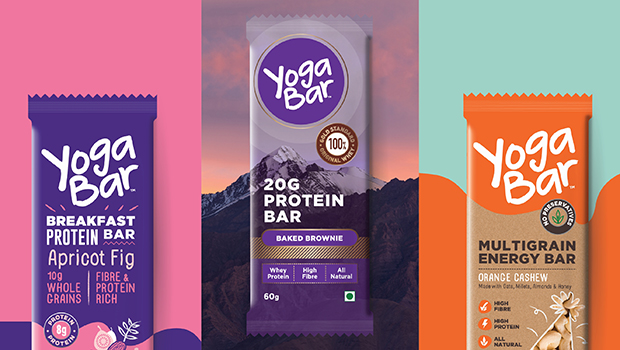
5. What products does Yoga Bar sell? Yoga Bar is a healthy snacking and breakfast brand offering nutrition bars, muesli, oats, cereals and related products through an omnichannel model.
6. Did this acquisition need government or regulatory approval? No. ITC disclosed that the transaction did not require any government or regulatory approval.
7. How has Sproutlife’s business performed recently? Sproutlife Foods reported turnover of ₹452 crore for FY2025-26, up significantly from ₹108 crore in FY2023-24.
8. Why does ITC acquire brands in phases rather than all at once? A phased approach lets the acquirer build confidence in a target’s growth before committing to full ownership, while giving the founding team continued involvement during the transition. ITC has used this approach with other food brand acquisitions as well.
9. What other food brands has ITC acquired recently? ITC has also fully acquired Sresta Natural Bioproducts, the company behind 24 Mantra Organic, for ₹472.5 crore in June 2025, and holds a staged, growing stake in another digital-first nutrition foods brand.
10. Will Yoga Bar products change after this acquisition? ITC has not disclosed specific changes to pricing or products. Full ownership is expected to support broader distribution through ITC’s retail network over time, though integration typically unfolds gradually.
Disclaimer
This article is for general informational purposes only and does not constitute investment advice or a recommendation to buy, sell or hold any security. Details are based on ITC’s official disclosures and publicly available news reporting at the time of writing. FinanceChecks.com is not a SEBI registered investment adviser and is not affiliated with ITC Limited, Sproutlife Foods or Yoga Bar.

Shuchi founded Finance Checks after spending 16+ years working in corporate, managing operations and distribution. She managed her own finances, learned and read regularly and helped people make sense of their savings, loans, insurance, and investments.
She started this site to offer the kind of clear, honest financial guidance she wished was more available when she was learning to manage her own money. Every article is researched personally, checked against official sources such as the Reserve Bank of India, SEBI, or the Income Tax Department, and revisited whenever regulations or figures change. She is upfront about how the site earns money through ads and select affiliate partnerships, and she does not let either influence what she actually recommends to readers.