
Best Credit Cards in India Right Now: A Complete Guide for Students, Business Owners, Everyday Spenders, and Everyone in Between

Walk into any conversation about money in India today and credit cards come up within minutes. With more than 10 crore cards now in circulation across the country and over 40 banks fighting for your wallet space, the sheer number of options has made choosing the right one genuinely confusing. Every card promises cashback, reward points, lounge access, or some combination of the three, and most people end up picking whatever their bank relationship manager pushes on them rather than what actually fits their life.
This guide fixes that. Instead of one generic “top 10” list, we are breaking it down by who you actually are: a student building your first credit history, a salaried professional managing everyday expenses, a business owner separating personal and company spending, or someone with a more specific need like travel, UPI payments, or premium lifestyle perks. Every recommendation below is based on how these cards are actually performing in the market in 2026, not outdated marketing copy.
How to Think About Choosing a Credit Card Before We Get Into the List
Before jumping into names, it helps to know what actually separates a good card from a mediocre one for your situation.
Look first at where your money goes every month. Someone who spends heavily on Swiggy, Amazon, and Flipkart needs a completely different card from someone who mostly pays vendors, fuel stations, or international SaaS subscriptions. Reward rates only matter if they apply to categories you actually spend in.
Next, check the annual fee against the spend threshold required to waive it. A card advertised as “free” often has a joining fee that gets refunded only after you cross a certain yearly spend, so read that fine print carefully.
Finally, think about whether UPI support matters to you. Since RuPay credit cards started linking with UPI, a growing number of Indians now prefer a card that rewards everyday QR code payments at the local kirana store, not just online purchases.
With that framework in place, here is how the current best options break down by who you are.
Best Credit Cards for Personal and Everyday Use
If you are a salaried professional or self-employed individual looking for one solid card to handle groceries, shopping, dining, and bill payments, these are the names that consistently come out on top in 2026.
Axis Bank ACE Credit Card remains one of the strongest flat cashback cards available. It offers a straightforward cashback structure on utility bill payments, dining, and other everyday categories, which makes it easy to understand without digging through complicated reward point charts.
Amazon Pay ICICI Credit Card continues to be one of the best zero-annual-fee options for anyone who shops frequently on Amazon. Prime members earn a strong cashback percentage on Amazon purchases, with a smaller but still useful return on purchases made at other merchants, and the cashback lands directly as usable Amazon Pay balance rather than confusing points.
SBI Cashback Credit Card has become a favorite for online shoppers because of its generous cashback on online spending up to a monthly cap, making it one of the more rewarding options for people who do most of their shopping through apps and websites rather than in physical stores.
HDFC Millennia Credit Card strikes a nice balance for younger professionals, offering cashback across popular platforms including food delivery, streaming, and e-commerce, alongside a handful of lounge visits that make it feel a notch more premium without a steep annual fee.
Tata Neu Infinity Credit Card is worth a look if you regularly shop at Tata Group brands such as BigBasket, Croma, Westside, or Air India, since it returns a meaningful percentage back as NeuCoins on those purchases while still offering a reasonable return everywhere else.
Best Credit Cards for Students and First-Time Users
Getting approved for a credit card as a student or someone with no prior credit history used to be genuinely difficult in India. That has changed significantly, and a few issuers now specifically design cards for this exact situation.
ICICI Coral Credit Card is frequently recommended as an entry point because of its relatively accessible eligibility criteria and reasonable set of benefits for a first card, including dining and movie perks that appeal to a younger user base.
SBI SimplySAVE Credit Card offers a low barrier to entry along with straightforward reward accumulation on categories like dining, movies, and grocery shopping, making it a sensible pick for someone just starting to build a credit score.
Secured credit cards backed by a fixed deposit are one of the most reliable routes for students with no income proof at all. Cards like the IDFC Business Max or similar FD-backed options from several banks let you open a card against a deposit as small as ten thousand rupees, which is often enough to get approved even with zero credit history.
Kiwi RuPay Credit Card and OneCard deserve a mention here too. Both are digital-first, lifetime-free cards with relatively easy approval processes, and Kiwi in particular stands out because it is one of the very few cards that actually rewards UPI transactions, which matters enormously for students who pay for almost everything through PhonePe or Google Pay.
Building credit responsibly at this stage, meaning paying your full bill every month and keeping utilization well under 30 percent of your limit, sets up a much stronger CIBIL score by the time you need a home loan or a premium card later in life.
Best Credit Cards for Business Owners and Entrepreneurs
Mixing personal and business expenses on one card creates an accounting headache and makes it harder to claim input tax credit on GST. A dedicated business card solves this, and the options here have matured a lot over the past couple of years.
HDFC Biz Grow and Biz Power Credit Cards cover both ends of the business spectrum. Biz Grow has zero annual fee and works well for startups and small businesses just building their business credit history, while Biz Power rewards travel and dining more aggressively and waives its annual fee once you cross a reasonable yearly spend threshold, which most active small businesses hit comfortably.
IDFC First Business Credit Card stands out for its low joining fee combined with accelerated reward points and complimentary lounge access, making it a strong pick for freelancers, consultants, and small business owners who do not want to pay a premium price for basic business perks.
RazorpayX Corporate Cards have carved out a distinct niche for tech-enabled businesses, startups, and SaaS companies. Because they are built around a founder-friendly, collateral-free model with high limits tied to business performance rather than personal credit history alone, they work particularly well for companies whose spending is concentrated in cloud subscriptions, digital advertising, and recurring software payments.
Axis Business Supreme Master Credit Card and similar offerings from Axis and Kotak are worth considering if you run a business with meaningful vendor payments and want reward acceleration on categories like advertising and business utility spending rather than generic travel perks you may never use.
If your business claims input tax credit under GST, confirm with the issuer that they provide GST-compliant monthly statements with an itemized tax breakdown before you apply, since not every card offers this and it can save real accounting effort down the line.
Read About Buying vs Renting in 2026?
Best Credit Cards for Other Specific Needs
Not everyone fits neatly into personal, student, or business categories. A few cards are worth calling out separately because they solve for a very specific use case exceptionally well.
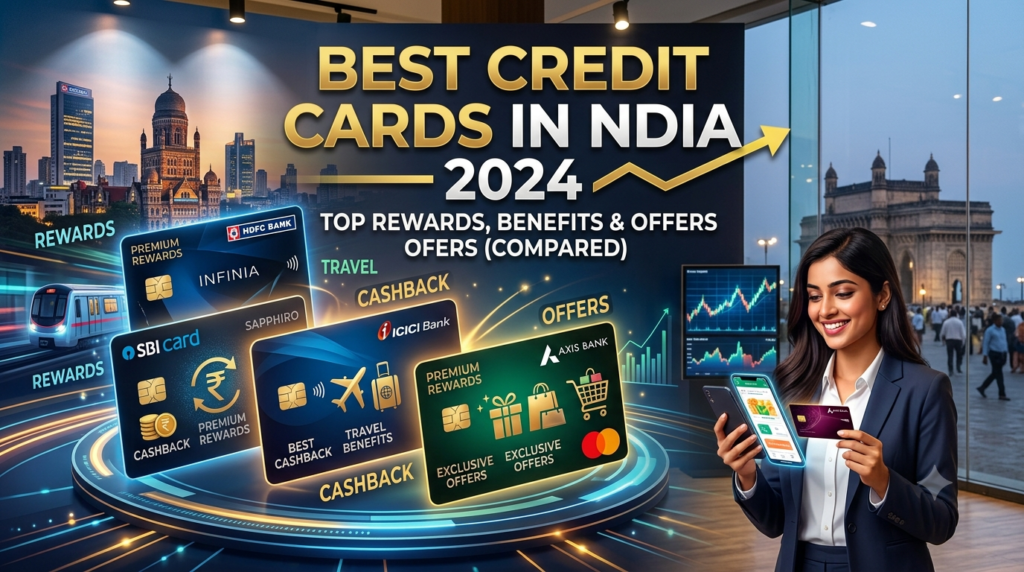
For frequent flyers and premium travel: HDFC Infinia continues to be regarded as one of the strongest premium travel cards in the country, offering unlimited domestic and international lounge access, golf privileges, and a strong reward rate, though it comes with a high annual fee that only makes sense for genuinely heavy spenders. Axis Magnus remains competitive at the ultra-premium end as well.
For UPI-first spenders: Kiwi RuPay Credit Card is currently the standout option since it is one of the only cards built specifically to reward everyday UPI QR payments, an area where most traditional credit cards still offer nothing.
For fuel-heavy spending: Co-branded cards like the BPCL SBI Card and Indian Oil Citi Card offer some of the highest value back at specific fuel station brands, which makes sense for anyone who drives frequently for work.
For senior citizens or those preferring simplicity over rewards complexity: Lifetime-free cards with flat cashback structures, rather than tiered reward point systems, tend to be the easier and more transparent option, since there is no need to track category multipliers or redemption catalogs.
Factors That Actually Matter Before You Apply For Credit Cards
A few practical checks will save you from regretting a card six months in. Confirm the real annual fee after any waiver conditions, not just the headline number advertised on the landing page. Check whether the card’s strongest reward categories genuinely match your spending pattern instead of picking based on a flashy joining bonus. If you travel internationally even occasionally, look closely at the forex markup fee, since this can quietly cost you more than any reward you earn. And if you are applying for your very first card, avoid applying to multiple banks at once, since each application triggers a hard inquiry that can temporarily dent your credit score.
Conclusion
There is no single “best” credit card in India for 2026, and anyone who tells you otherwise is skipping the most important part of the decision, which is your own spending pattern. A student building credit for the first time needs something completely different from a business owner managing vendor payments or a frequent flyer chasing lounge access. The good news is that the market has genuinely matured, with strong, low-fee options now available in nearly every category, from UPI-first cards for daily local spending to premium travel cards with real international value. Match the card to your life first, chase the rewards second, and you will end up with a card that actually pays for itself.
Frequently Asked Questions about Credit Cards
Which credit card is best for a college student in India with no income proof? Secured credit cards backed by a fixed deposit are usually the most reliable option for students with no income proof, since approval is based on the deposit amount rather than salary. Entry-level cards like ICICI Coral or SBI SimplySAVE are also worth checking, as some banks approve students against a parent’s income or a smaller minimum deposit.
Can a freelancer or sole proprietor apply for a business credit card? Yes. Most Indian banks issue business credit cards to sole proprietors and freelancers as long as they can show business income through ITR filings, bank statements reflecting client payments, or GST registration where applicable.
Is it better to have a RuPay or Visa credit card in India? For everyday UPI QR payments, RuPay is currently the better choice since it is the only network that supports UPI credit card transactions in India. For international travel and wider global acceptance, Visa or Mastercard tends to work better, which is why many cardholders keep one of each.
How many credit cards should the average person have? Most financial advisors and comparison platforms suggest two to three cards is ideal for most individuals, typically one for everyday UPI or online spending, one for a specific high-value category like travel or fuel, and optionally a lifetime-free backup card.
Does applying for a business credit card affect my personal credit score? Business card spending is generally reported separately and does not usually show up on your personal CIBIL report. However, if you are the personal guarantor on the card and default on payments, which is common for small business owners, it can still affect your personal score.
What credit score do I need for a premium travel credit card like HDFC Infinia or Axis Magnus? Premium and super-premium cards typically require a strong credit score, generally above 750, along with a high income threshold and often an invitation-only or by-invite application process, so building a solid credit history with an entry-level card first is usually the practical path.
Disclaimer
This article is intended for general educational and informational purposes only and does not constitute financial or investment advice. Credit card features, annual fees, reward rates, eligibility criteria, and terms mentioned in this article are subject to change at any time at the discretion of the issuing bank and were accurate to the best of our knowledge at the time of writing. This article is not sponsored by, affiliated with, or endorsed by any bank or financial institution named above. Readers are strongly advised to verify current terms, fees, and eligibility directly with the respective bank before applying for any credit card, and to borrow and spend responsibly based on their own financial situation. The author and publisher accept no liability for any loss or damage arising from decisions made based on the information provided in this article.

Shuchi founded Finance Checks after spending 16+ years working in corporate, managing operations and distribution. She managed her own finances, learned and read regularly and helped people make sense of their savings, loans, insurance, and investments.
She started this site to offer the kind of clear, honest financial guidance she wished was more available when she was learning to manage her own money. Every article is researched personally, checked against official sources such as the Reserve Bank of India, SEBI, or the Income Tax Department, and revisited whenever regulations or figures change. She is upfront about how the site earns money through ads and select affiliate partnerships, and she does not let either influence what she actually recommends to readers.



[…] Read About Best Credit Cards in India […]
[…] you use your debit or credit card for an international transaction, or even for an online purchase from a foreign website, banks […]
[…] Best Credit Cards in India Right Now: A Complete Guide for Students, Business Owners, Everyday Spend… […]